Keynotes
In our keynote sessions, hear from leading historians on the big ideas and latest research in history, reminding us why we all care so deeply about this subject. These sessions are essential for anyone passionate about history and learning about how the past shapes us today.
Presidential Lecture
The destruction of Stonehenge: history, imagination and truth
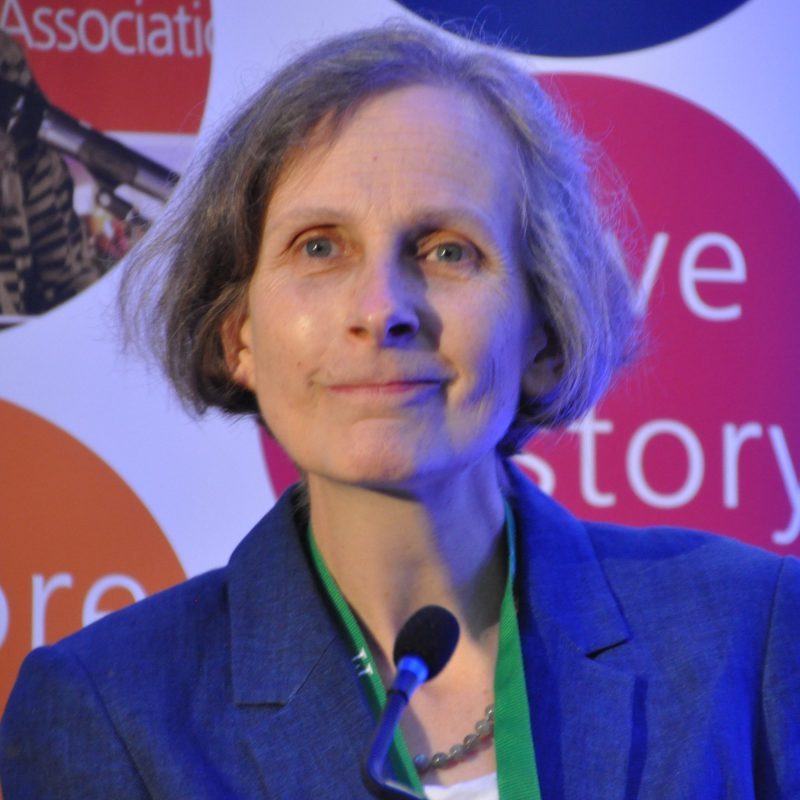
Alexandra Walsham
HA President; University of Cambridge
This lecture takes the form of a historical detective story. It investigates reports that a radical puritan preacher called for Stonehenge to be destroyed as a ‘monument of heathenism’ in 1645. Set against the backdrop of Britain’s turbulent Civil Wars, it explores the significance of this episode from the seventeenth century to the present day and probes the unpredictable workings of memory and imagination. A study of the fraught relationship between fact and fiction, history and truth, it raises questions that resonate with the challenges that we face in the digital age and in the wake of the advent of AI.
Friday: 09:00–10:15
Dawson Lecture
History of all for all: Why we all need to step up if we are ever to achieve this ambition and why politicians need to let us get on with it
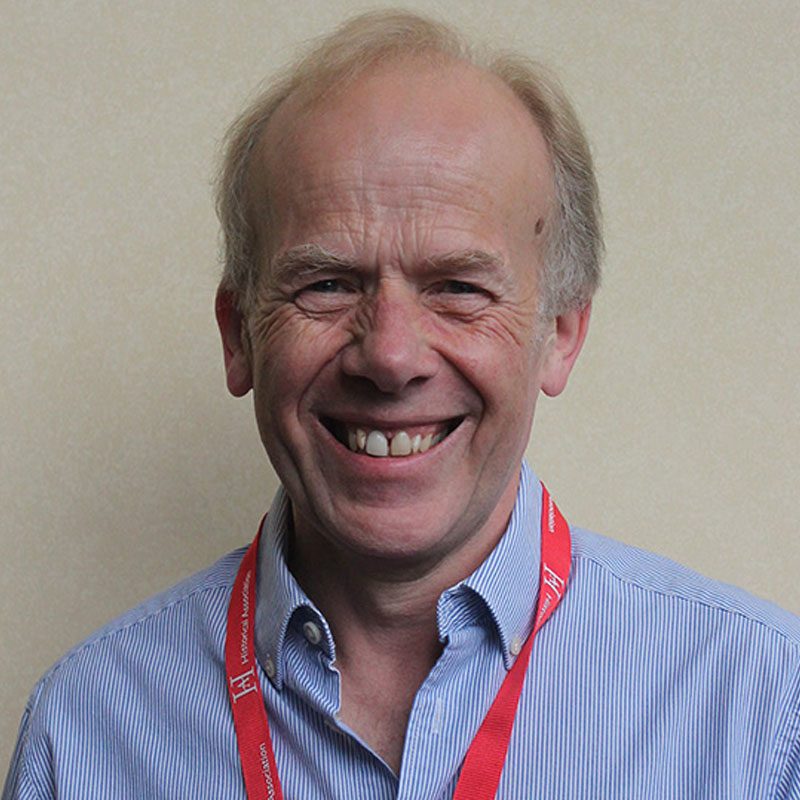
Michael Maddison
HA Deputy President
In the Dawson Lecture for 2026, Michael will reflect on the HA’s strategic vision: history of all for all. He will argue that it is imperative for the history community – teaching and non-teaching – to step up now if we are to get anywhere near to achieving this ambition. Michael will draw upon his wide range of experiences from the over 50 years in which he has been involved in history education, as a teacher, senior leader, examiner, inspector and now consultant. He will argue that understanding the past helps us to understand what makes us human, and that teaching history is vital if we are to build a better world. He will also reflect on some of the barriers that still stand in our way, not least the frequent and often unhelpful interventions by politicians. Overall, though, this will be about success, about being pragmatic and about being optimistic, and the whole lecture will be illuminated by stories of what this inspector saw and what he wished he hadn’t seen!
Friday: 16:45–17:30
Pipewellgate
Friday evening keynote
How to historicise the contemporary United States
Adam Smith
University of Oxford
For the last two and a half centuries, the USA has been shaped by a remarkable sense of its own unique place in world history, yet consumed by never-ending battles over what this means. 250 years after the Declaration of Independence was signed, the United States appears to be at an inflexion point. In this lecture, Adam will discuss various ways of framing the history of the USA and consider how best to contextualise the present.
Adam Smith is the Edward Orsborn Professor of US Politics and Political History, and Director of the Rothermere American Institute at the University of Oxford. He is an expert in the Civil War, and his latest book (available from Oxford University Press) is Gettysburg, a study of how the Civil War battle that everyone’s heard of has played such a contentious and formative role in America’s understanding of itself. Adam is also the host of The Last Best Hope? podcast, which explores today’s America through the lens of the past.
Friday: 17:45–18:45
Saturday morning keynote
Workers and the making of the modern world

Emma Griffin
Queen Mary, University of London
Historians have long been fascinated by the emergence of modernity. Whether we label this the ‘Industrial Revolution’, the ‘rise of capitalism’ or the ‘Great Divergence’, these literatures all have at heart a shared question: why did the West – Britain in particular – start to grow so rich around the end of the eighteenth century? These diverse and interconnected debates defy simple summary, yet it is rarely the case that the humble worker is centred as an explanatory force in the transition to modernity. In this lecture, Emma will use comparative evidence from Britain and France to think about workers and the role that they played in the rise of the modern industrialised world.
Emma Griffin is a professor of modern British history at Queen Mary, University of London and former President of the Royal Historical Society. She is the author of five books, including A Short History of the British Industrial Revolution and (most recently) Bread Winner: an intimate history of the Victorian economy. She is currently writing a global history of industrialisation for Penguin Press.
Saturday: 09:00–10:15
Education keynote

Tim Jenner
Ofsted
We are delighted to be joined by Tim Jenner, Ofsted’s subject lead for history, for a special education keynote. Tim will discuss Ofsted’s 2025 inspection framework, methodology and recent research findings, and the implications of these for history teachers and subject leaders in schools.
Saturday: 15:45–16:45
Pipewellgate
Suitable for all key stages